How to Look After Your Car at Home: The Complete Wash and Care Guide
The complete guide to caring for your car at home: what you need, what order to wash the wheels and bodywork in, how to dry without streaks, how to clean the glass and dashboard, and how to wash microfiber.
10 min read
How to Care for Your Car at Home and What You Need
Cars quickly collect dust, brake dust, bugs, and rain marks. Many people wash them in a rush: one sponge, one bucket, and an old towel. The results are often disappointing. Streaks linger on the glass, and over time, faint circular swirl marks appear on the paint under direct sunlight.
Home car care does not require a garage packed with gear. A few well-chosen accessories and a consistent order of work are all you need. It is the order that decides whether the dirt is lifted away or simply spread across the bodywork. In this guide, we take you through the whole process: from the wheels and bodywork to the glass, interior, and washing your microfiber cloths.
What you need
- two buckets: one for shampoo, one with clean water for rinsing your wash mitt,
- car shampoo (never washing-up liquid) and, if you like, a dedicated wheel cleaner,
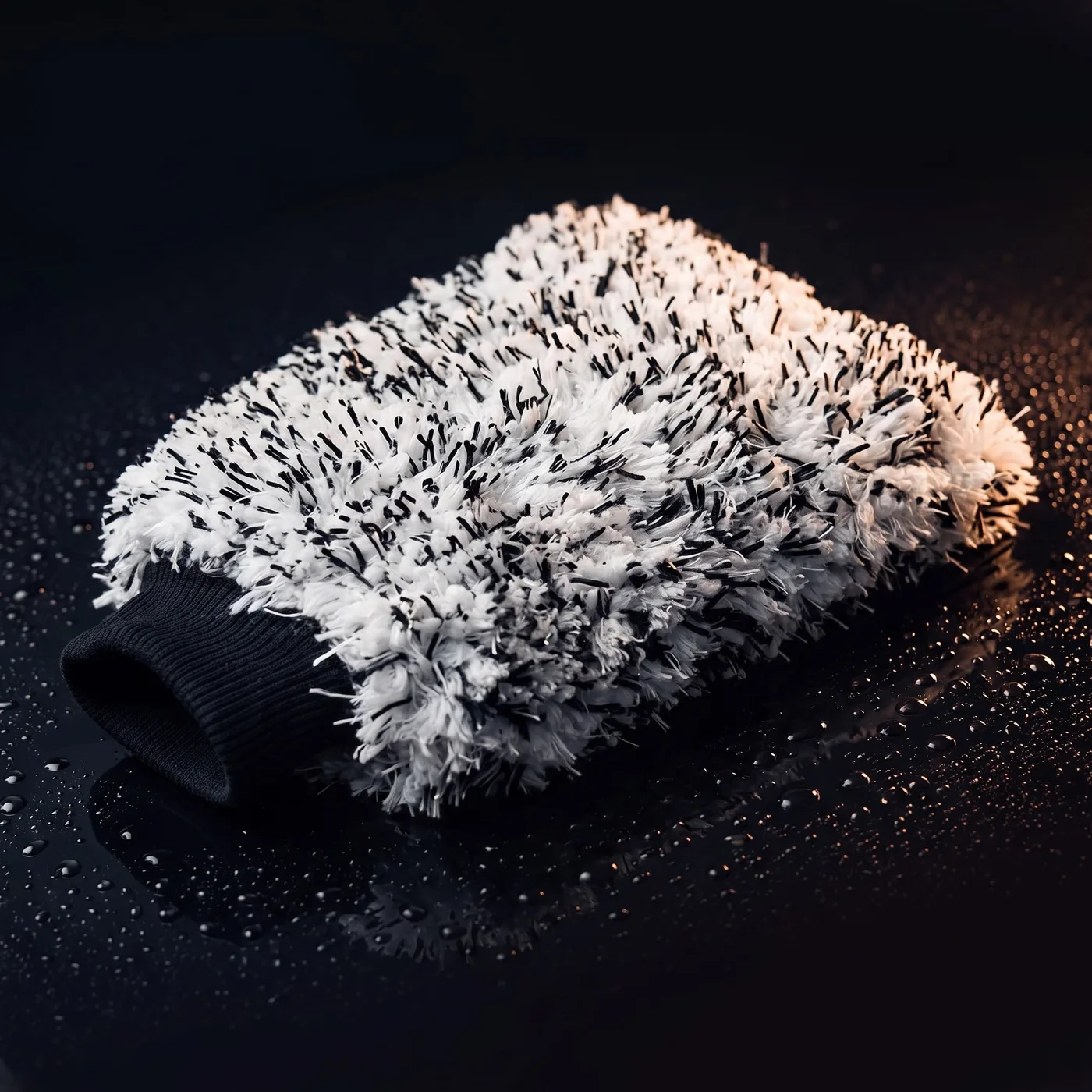
- a long-pile wash mitt,
- a wheel brush, either flat or round,
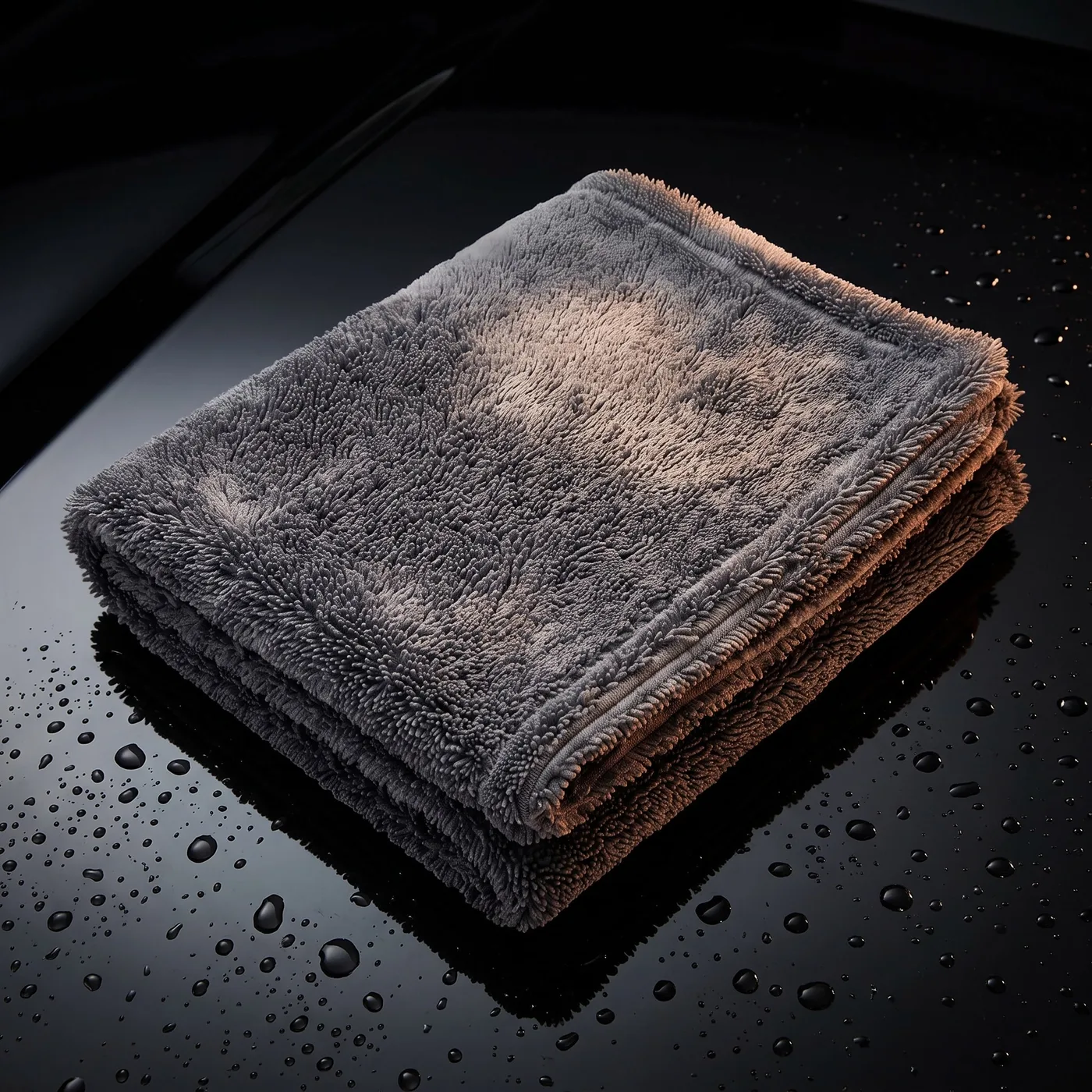
- a large car drying towel and a smaller one for details,
- a glass cloth alongside cloths for the dashboard and interior,
- a vacuum cleaner for the seats and carpets.
You do not need anything more. The number of detailing chemicals matters far less than what actually touches your paint.
Prepping the Car and Starting with the Wheels
Preparation
Wash your car in the shade, ideally early in the morning or towards the evening. The paint and wheels should be cool to the touch. On hot surfaces, shampoo dries rapidly and leaves water spots, whilst microfiber should never be used on hot panels. After driving, let the wheels cool down. Avoid strong winds, too, as they blow dust straight back onto wet paint.
Before you touch the paint, rinse the entire car thoroughly from the roof down. This removes loose grit and mud. Dragging those across the bodywork with a wash mitt is what creates swirl marks and scratches.
Start with the wheels
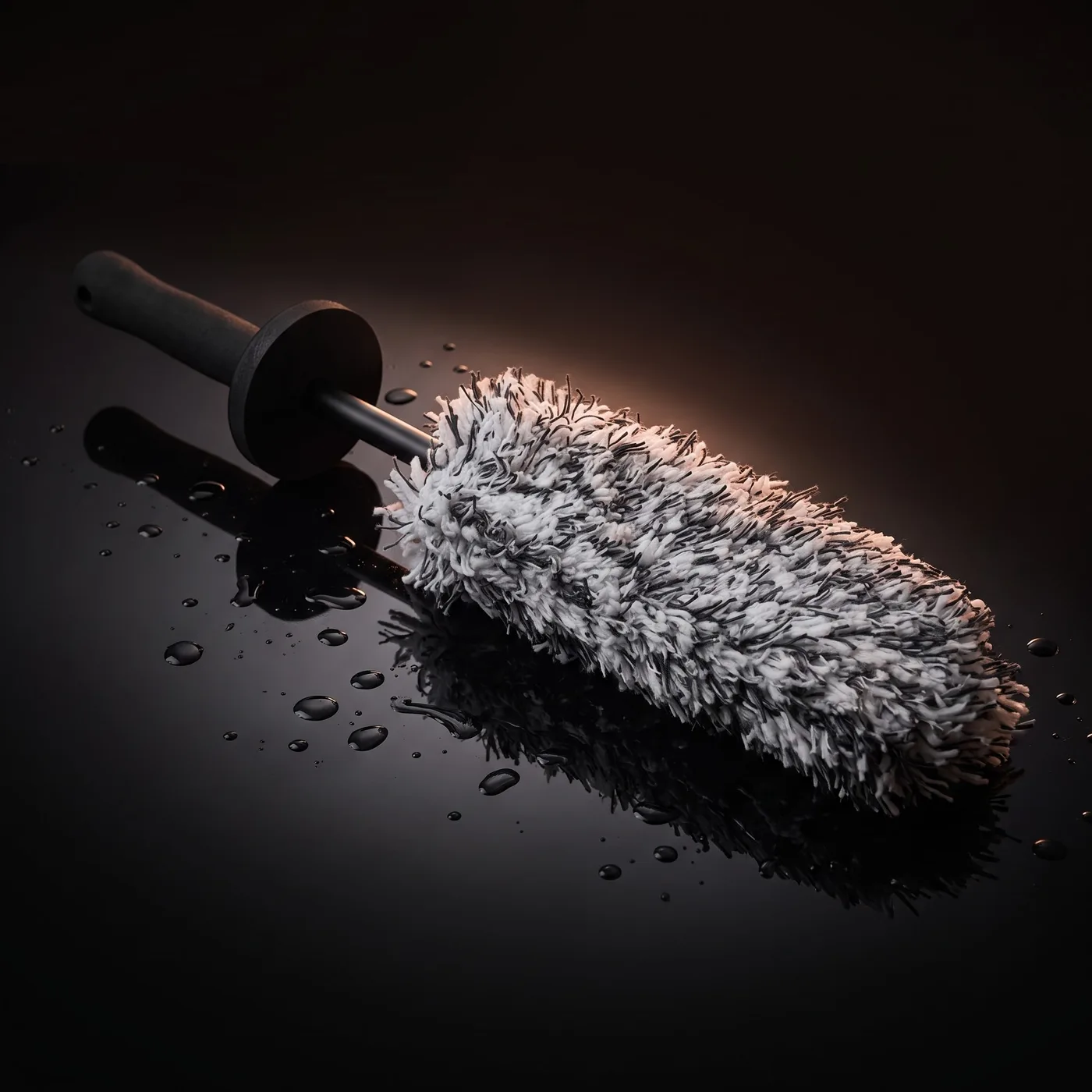
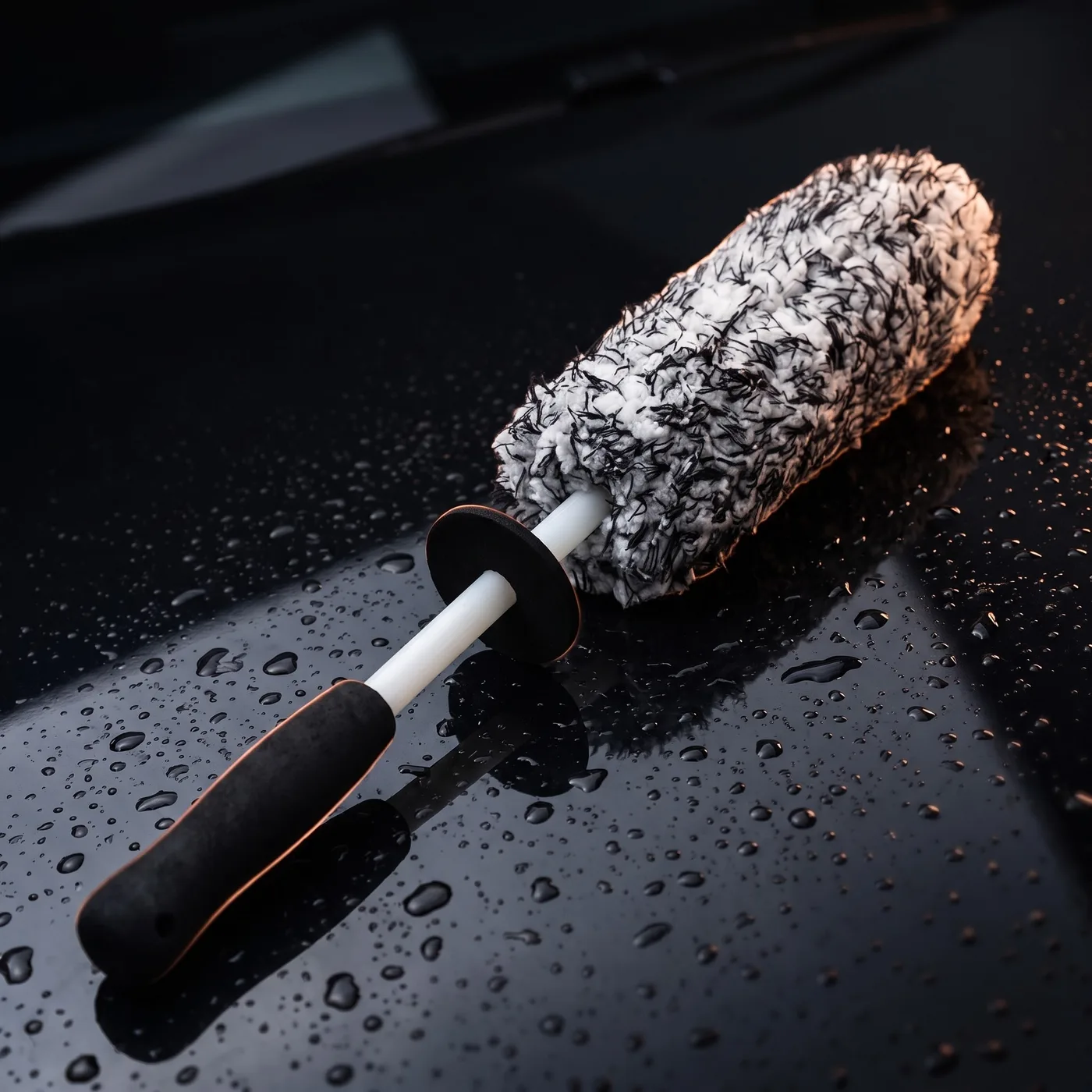
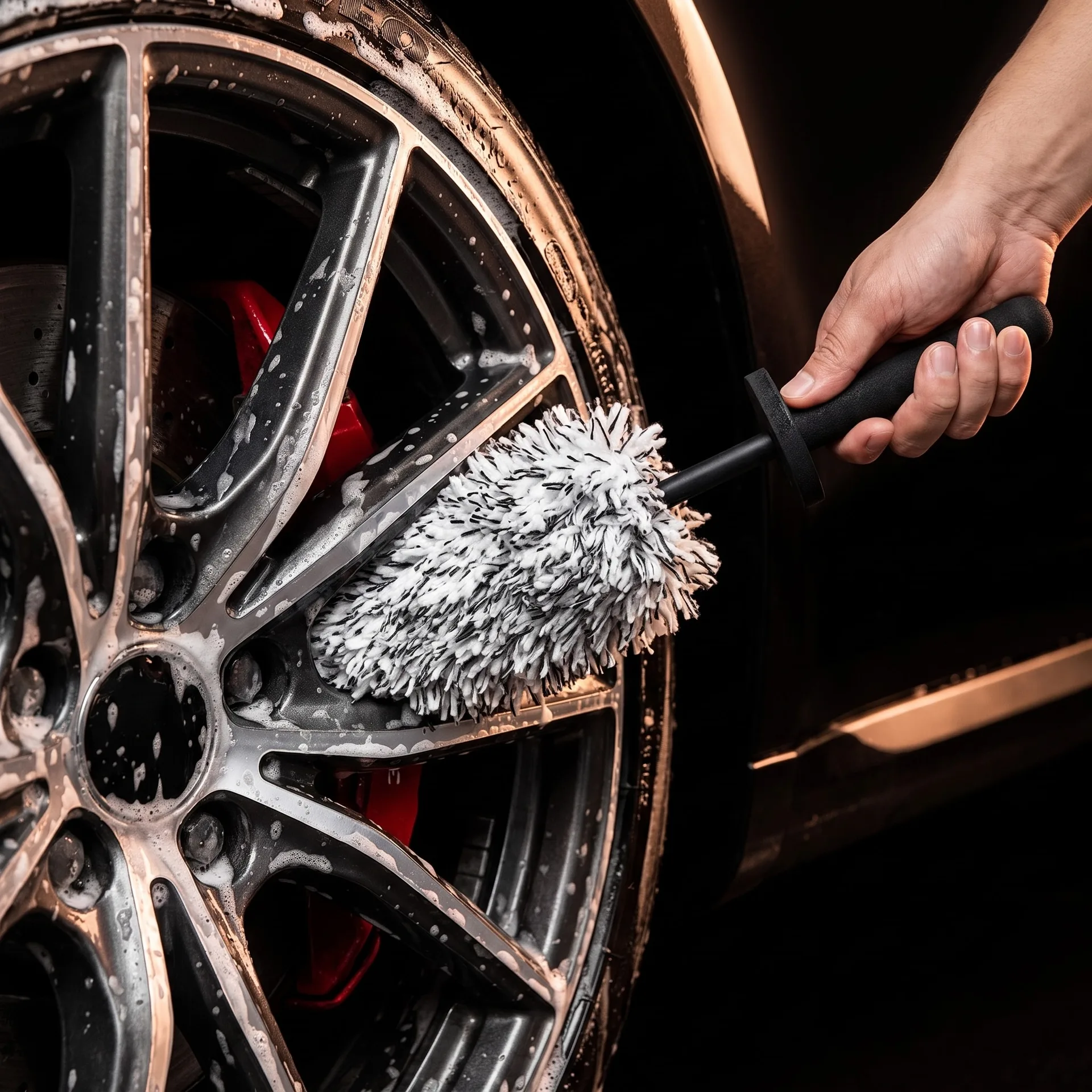
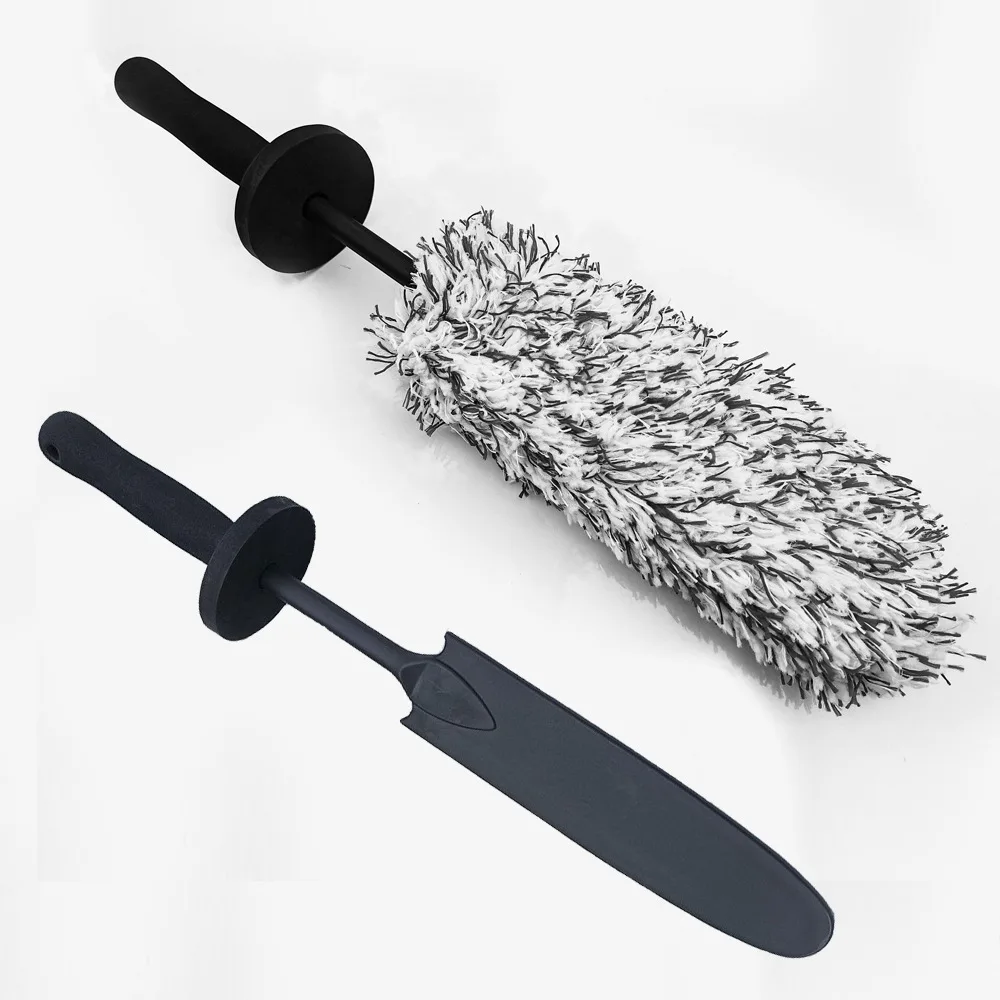
Wheels are usually the dirtiest part of the car. Clean them first or separately, using a dedicated bucket and tools, so wheel grime never ends up on your paint wash mitt. You will want a brush that reaches between the spokes and behind the brake caliper. A flat brush features a flat, paddle-shaped plastic core wrapped in a microfiber sleeve, letting it slide into narrow gaps. A round brush features a cylindrical head that reaches deep into the wheel barrel through wider openings. Both include a knuckle guard on the handle to protect your hands and the wheel rim from knocks.
Always use brushes wet, paired with shampoo or wheel cleaner, and avoid pressing hard. Check the bristles for trapped grit before you start. To choose the right brush shape for your rims, read our guide on how to clean wheels: flat vs round brush.
Washing the Bodywork: Wash Mitt and Two-Bucket Method
The two-bucket method is a straightforward way to avoid rubbing dirt back into your paint. Fill the first bucket with shampoo solution and the second with clean rinse water. After washing each section, rinse the wash mitt in the clean water first before loading it up with fresh shampoo suds.
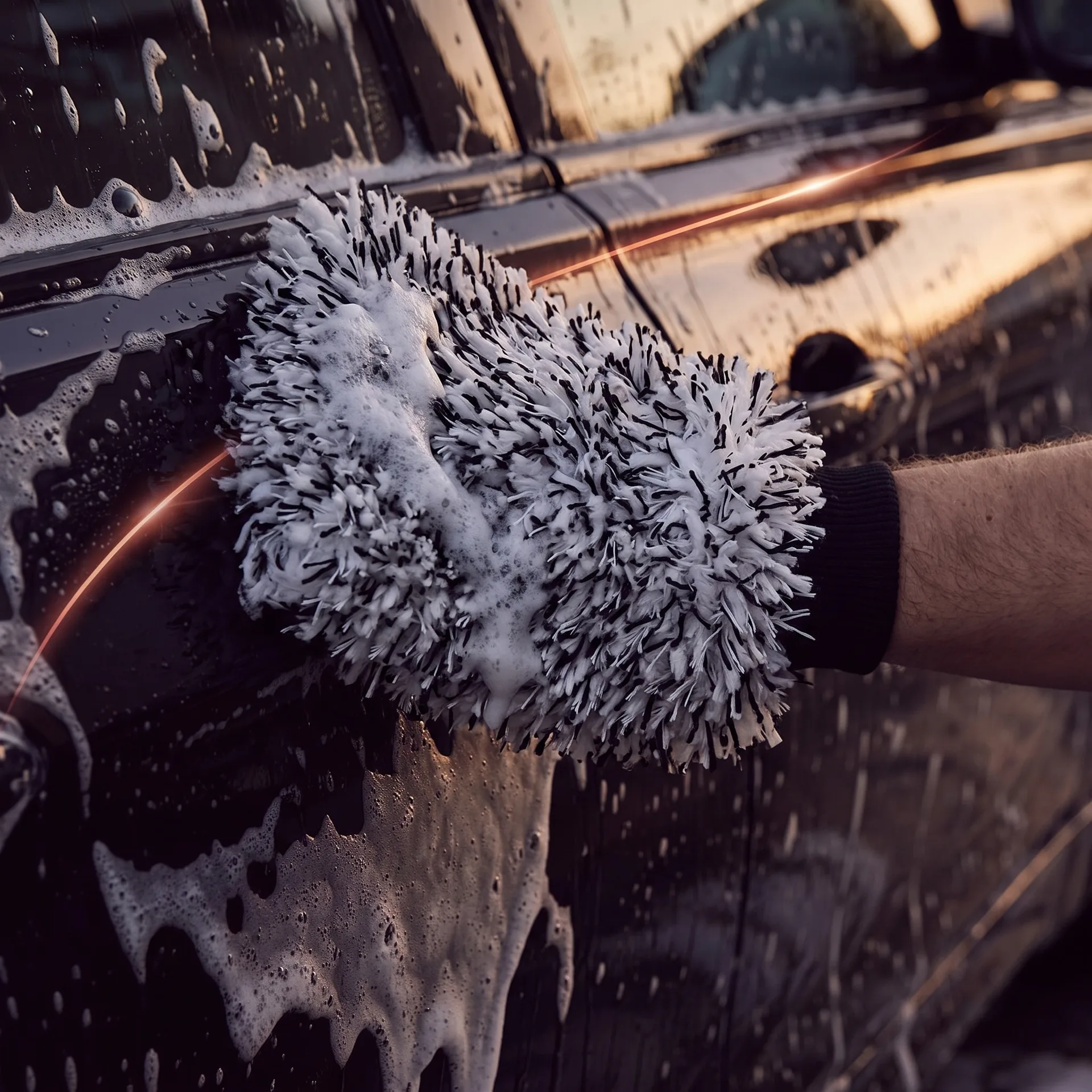
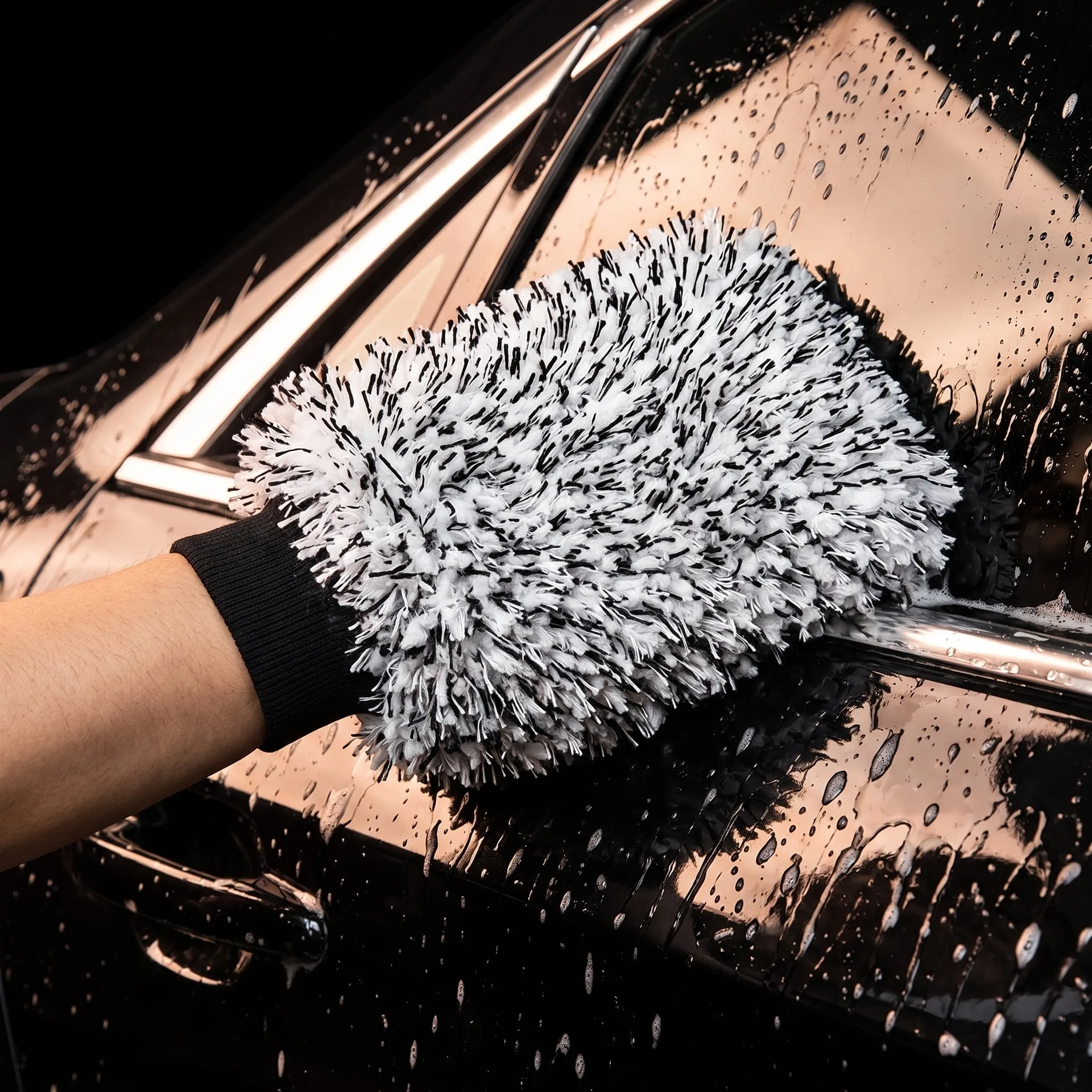
A standard sponge has a flat surface, meaning grit gets trapped right against the paint. For washing, we recommend a wash mitt with a dense, deep pile, such as our long-pile car wash mitt. The long fibres hold plenty of water and suds, allowing the mitt to glide effortlessly over the bodywork. Dirt and grit are drawn deep into the fibres instead of scouring the paint. An elasticated wrist cuff keeps the mitt securely in place.
The order of work matters:
- Start with the roof and glass.
- Wash the bonnet and boot lid.
- Move on to the upper parts of the sides and doors.
- Finish with the sills and lower bumper sections, where the heaviest road grime builds up.
Move the mitt in straight lines without applying heavy pressure, rinsing it frequently in your bucket. In warmer weather, rinse washed panels as you go to prevent shampoo from drying out. If you drop the mitt on the ground, rinse it thoroughly before letting it touch the paint again.
Streak-Free Drying, Glass and Mirrors
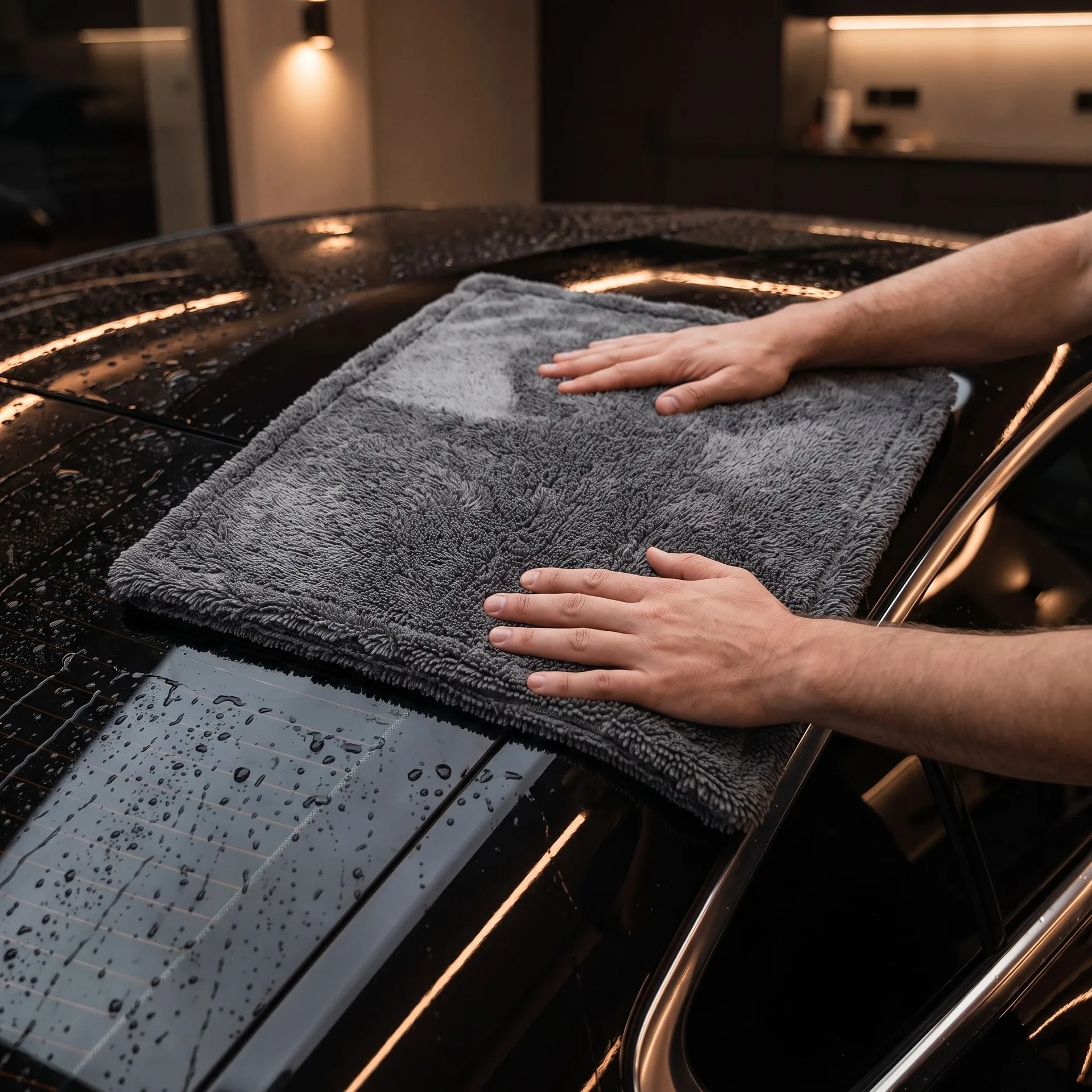
After the final rinse, do not leave the car to air-dry. Water droplets leave unsightly mineral spots, especially on dark paint and glass. Begin drying at the roof, just as you did when washing. Next, open the doors and boot lid to dry the door shuts and sills, where trapped water tends to run down onto the clean paint.
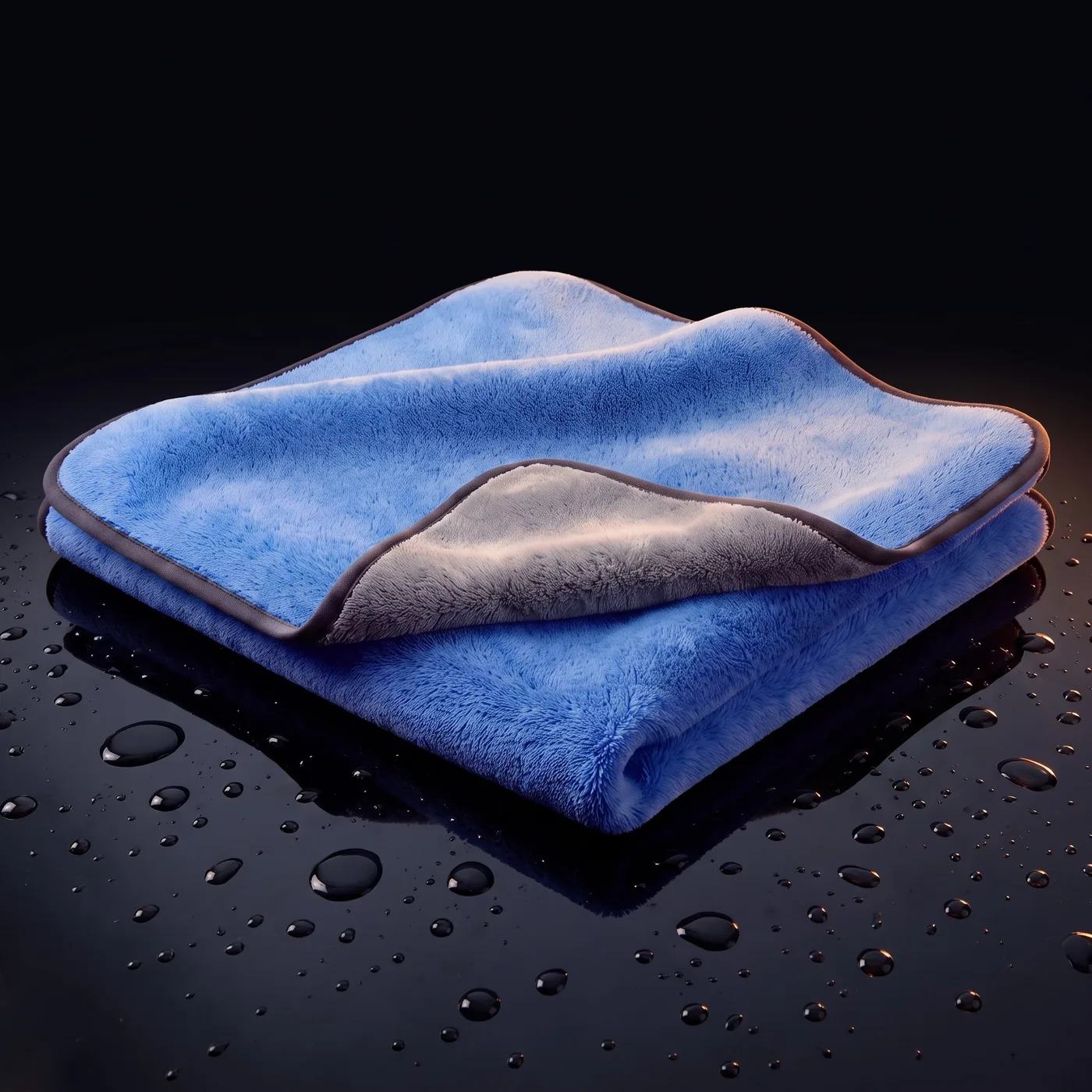
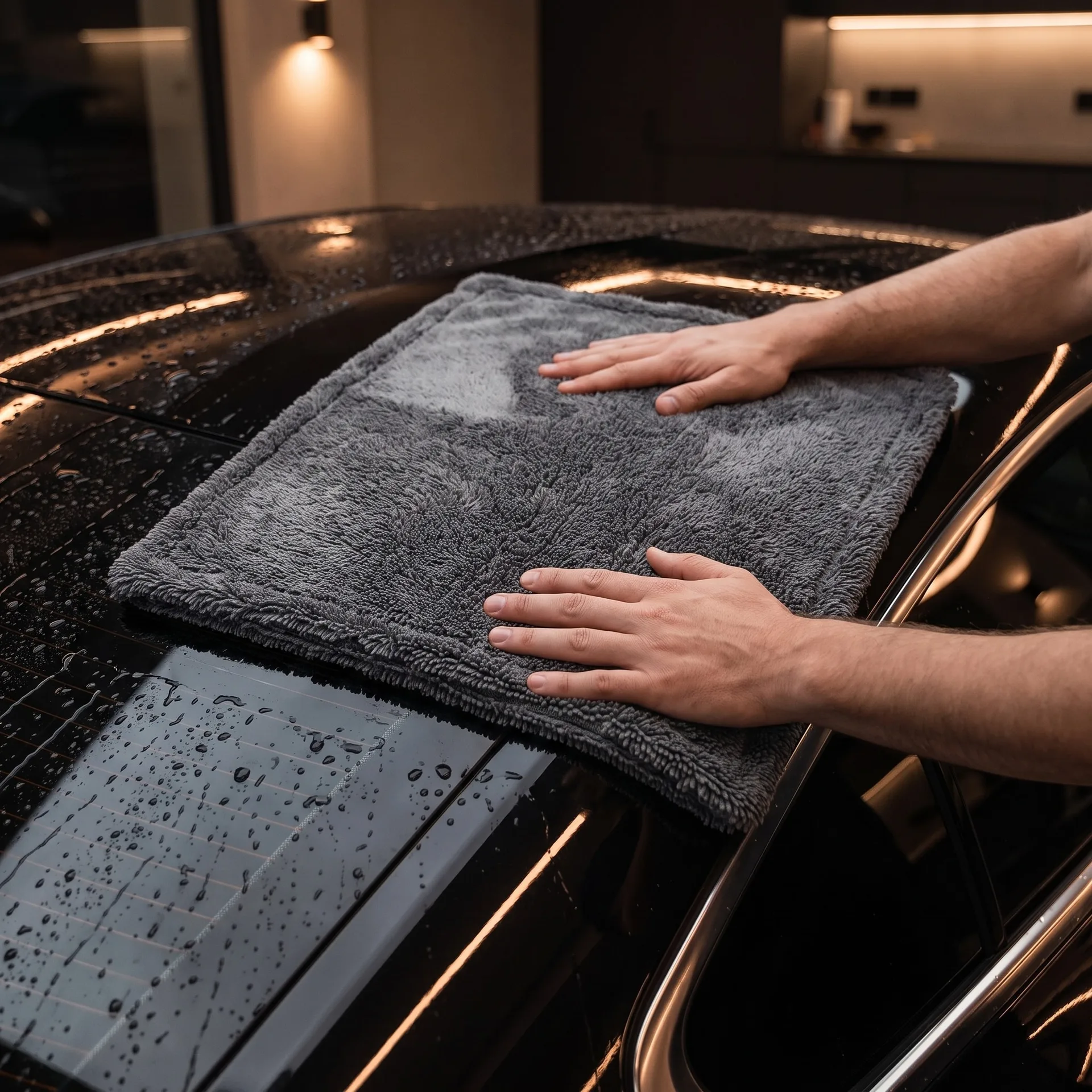
For large panels, an XL 70 × 90 cm, 1300 g/m² car drying towel is ideal. Spread it flat across the wet panel and draw it gently towards you without pressing down. Its generous size lets you dry the whole car without having to wring it out. For wing mirrors, door handles, and tighter spots, a double-sided 40 × 40 cm towel is much handier: dry with the blue side and buff with the grey side. You will find more advice in our guide on how to dry your car streak-free after washing.
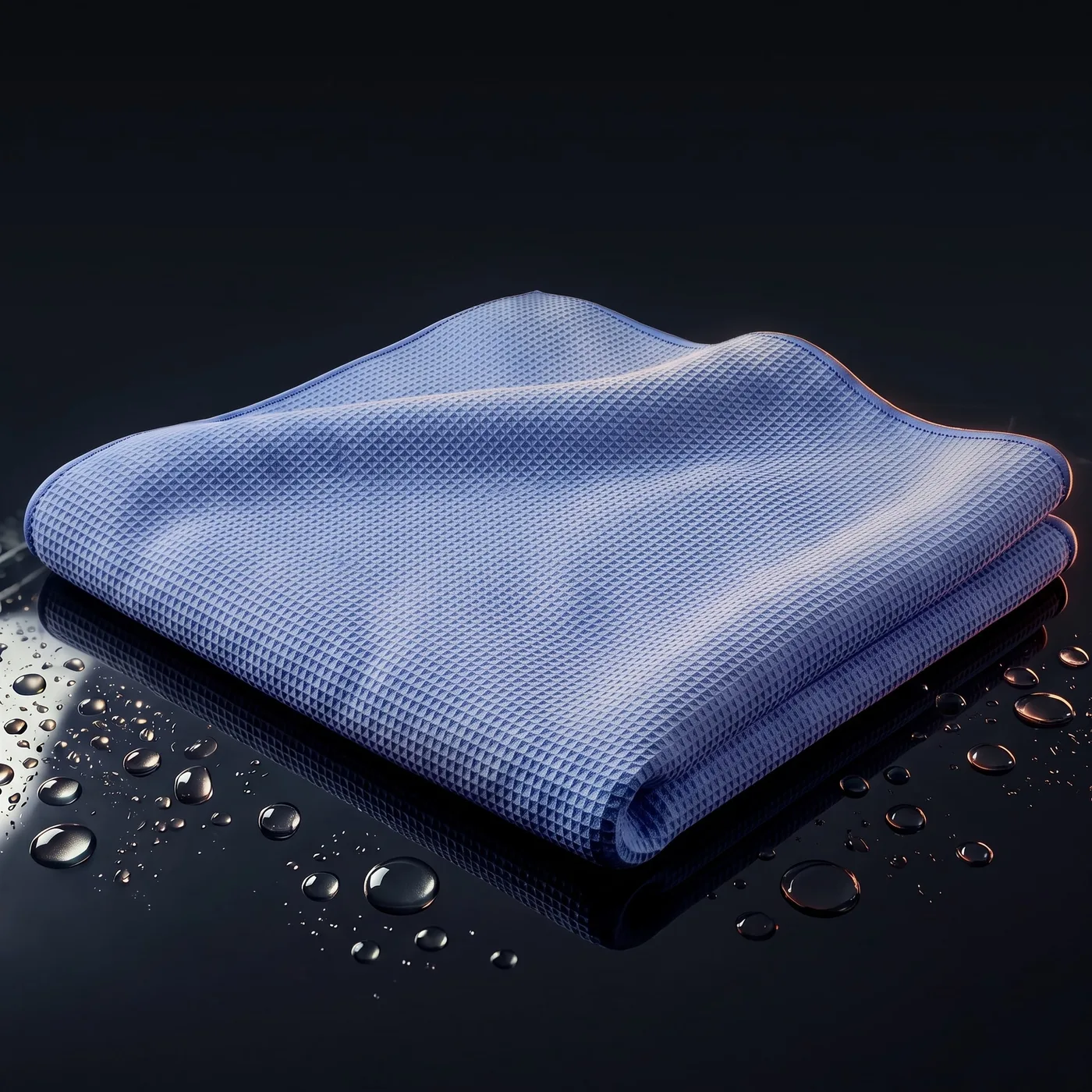
Finish with the windows and mirrors. A waffle-patterned microfiber works brilliantly here, such as our waffle weave cloth for glass. The waffle texture traps water and grime in its pockets without linting or leaving stray fibres on the glass. You can use it dry or lightly misted with water.
A handy trick to prevent streaks: wipe the outside glass horizontally and the inside vertically. If a smear shows up, you will immediately know which side it is on. Remember to do the inside of the windscreen, where an oily film naturally builds up over time.
Dust- and Fingerprint-Free Dashboard and Interior
Clean your interior working from top to bottom. Start by removing rubbish and floor mats, wipe down the dashboard and door cards, and finish by vacuuming the seats and carpets. Any dust knocked loose along the way gets picked up in one go at the end. Wash rubber mats with water and let them dry completely before putting them back inside.
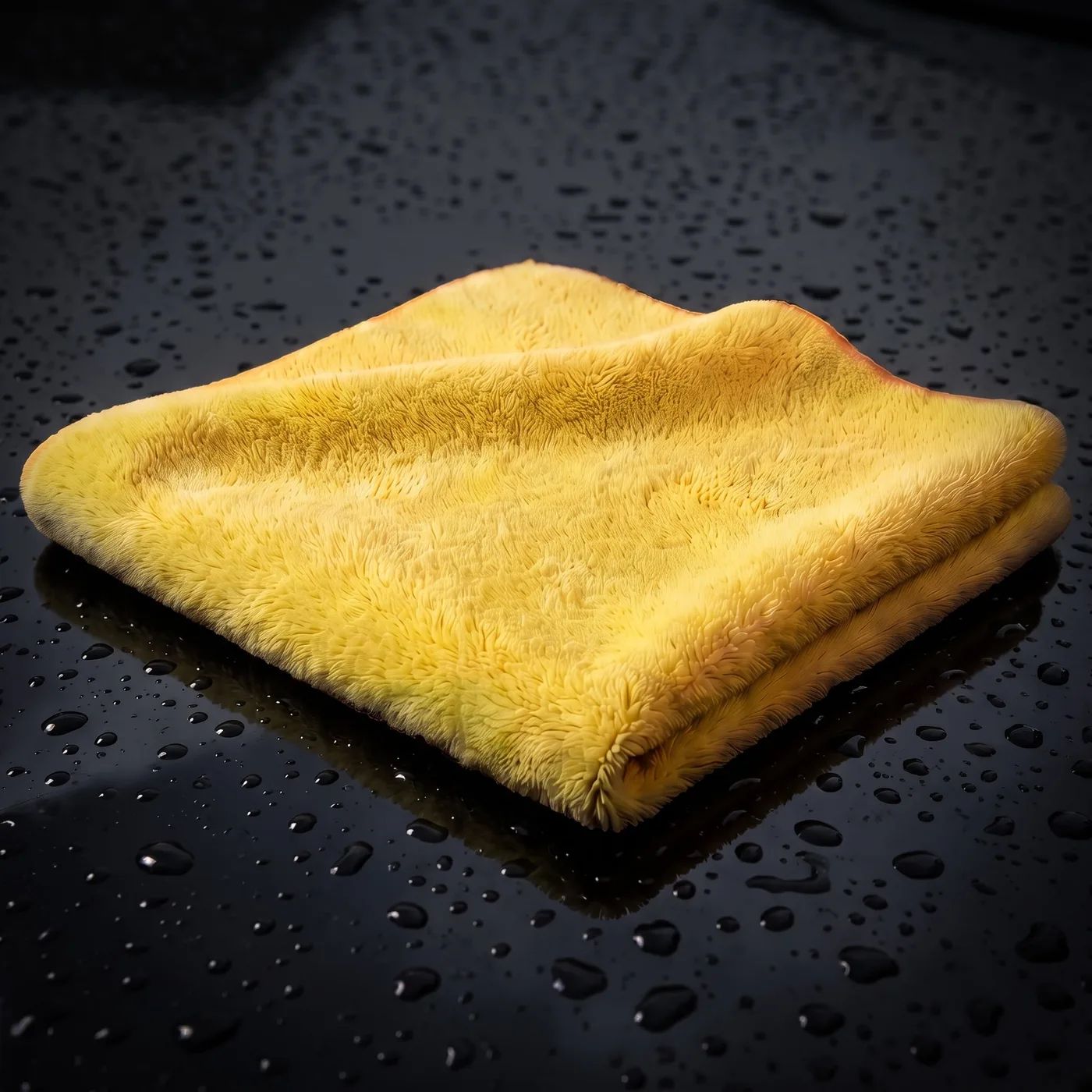
For the dashboard and centre console, a 40 × 40 cm, 500 g/m² edgeless cloth is ideal. Its plush pile collects dust and grime without streaking, whilst the borderless finish reduces the risk of scratching delicate, glossy trim. Use it dry or slightly dampened with water or a mild interior cleaner. Always spray the cleaner onto the cloth, never straight onto buttons or screens.
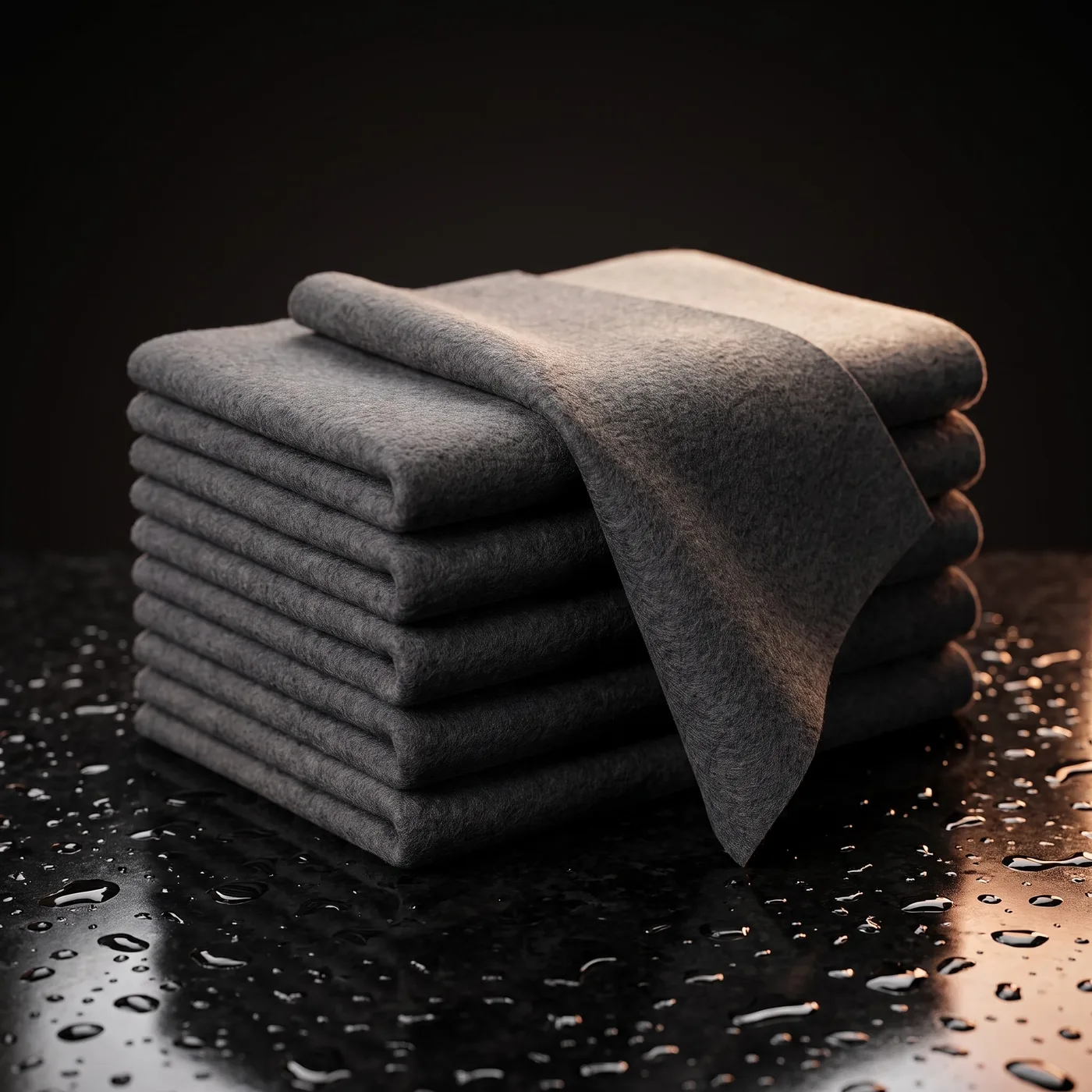
Infotainment screens and instrument clusters attract fingerprints quickly. This is where Magic cloths shine: five in a set, laser-cut edges with no seams, and cleaning without detergents, using just water. A lightly dampened cloth is plenty for delicate screens. Keep one in the glove box for quick touch-ups and keep another handy for the inside glass.
Washing Microfiber: How to Care for Cloths and Towels
Microfiber only traps dirt and absorbs water effectively when its fibres are clean. Wash brand-new cloths and drying towels before using them for the first time. After that, wash your microfiber after every car wash, including your wash mitt.
- Wash at 30-40 °C, separately from regular household laundry.
- Use a dedicated microfiber detergent or mild liquid soap.
- Avoid washing powders, bleach, and fabric softeners, as they clog the fibres.
- Air-dry naturally; do not tumble dry or iron.
You can rinse Magic cloths under the tap after light jobs or pop them in the wash. Never put wheel brushes in the washing machine. Rinse them clean of chemical residue with fresh water and leave them to dry with the bristles facing upwards.
Colour-coding your kit makes life easier: yellow cloth for the dashboard, blue waffle weave cloth for glass, grey car drying towel for the paint. Always check fabrics for trapped grit before use. Anything used on the wheels should never touch your paintwork afterwards.
A simple car care routine and summary
Regular maintenance is far more effective than an occasional deep clean. The plan below serves as a general guide. Adapt it to how much you drive, where you park, and the time of year.
Every week or fortnight
- rinse, wash the wheels and bodywork, dry,
- clean windows and mirrors inside and out,
- quick wipe down of the dashboard and display screen.
Once a month
- thorough wheel clean, including between the spokes and behind the calipers,
- vacuum the entire interior and wipe down door panels,
- review your cloths and towels: repurpose worn ones for grubby jobs.
In winter, rinse the car more frequently, especially the sills and wheel arches where road salt builds up.
At-home car care simply comes down to a few basic rules: shade and cool paint, a thorough pre-rinse, wheels first, two buckets, drying without pressure, and clean microfiber. If you are putting together a set from scratch, start with a wash mitt, a large drying towel, and a glass cloth. You can pick up the rest of the accessories from this guide as car washing becomes second nature.
Frequently asked questions
A great starting point is washing every week or fortnight, along with a deeper clean of the wheels and interior once a month. During winter, it is worth rinsing off road salt more often, especially from the sills and wheel arches. Adjust your routine to suit your mileage and where you park.
We do not recommend it. Shampoo dries quickly on warm paint, leaving water spots and streaks, and microfiber should never be used on hot surfaces. Stick to the shade and wait until the bodywork and wheels have cooled down.
A microfiber waffle weave cloth works brilliantly, used dry or lightly dampened with water. For interior glass and infotainment screens, you can reach for Magic cloths dampened with water alone. Always clean your windows last, once the rest of the car is completely dry.
Wash them at 30-40°C, separately from other fabrics, using a dedicated microfiber detergent or mild liquid soap. Never use powder detergents, bleach, or fabric softener, as they clog the fibres. Air dry naturally; do not tumble dry or iron.
No, never put wheel brushes in the washing machine. After washing, simply rinse them thoroughly with clean water to remove any chemical residue and grime. Leave them to air dry with the bristles facing upwards.